
Overview
PCOD (Polycystic Ovarian Disease) is mostly caused by a combination of hormonal imbalance and genetic tendencies. For someone with PCOD, typically between the ages of 12 and 45. It is characterized by hormonal imbalances that disrupt normal ovulation and menstrual cycles. In PCOD, which fail to release and eventually form small fluid-filled sacs or cysts.
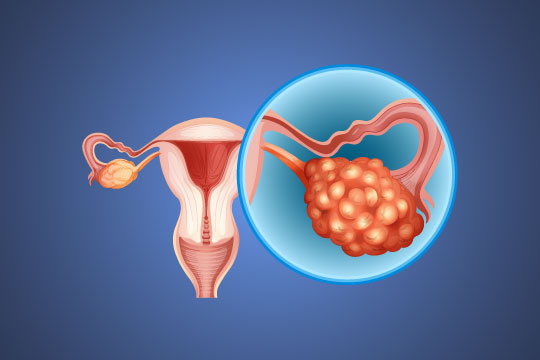
This condition is increasingly common, particularly in urban populations, due to lifestyle factors such as poor diet, physical inactivity, and stress. In India, studies estimate that between 9% and 22% of women experience PCOD—higher than reported rates in many other countries. While not life-threatening, PCOD can affect fertility, metabolism, appearance, and overall well-being if not properly manage
Common Symptoms of PCOD
- Irregular Menstrual Cycles( delayed, missed, or very heavy bleeding)
- Acne and Oily Skin – Hormonal fluctuations, particularly elevated androgen levels, can cause increased sebum production, leading to acne breakouts and oily skin.
- Excessive Facial and Body Hair (Hirsutism) – Higher levels of androgens may result in unwanted hair growth on the face, chest, abdomen, or back—a condition known as hirsutism. This is one of the more visible symptoms of PCOD.
- Hair Thinning or Hair Loss – Alongside excess body hair, PCOD may also cause thinning of hair on the scalp, especially near the crown, resembling male-pattern baldness.
- Weight Gain or Difficulty Losing Weight – Women with PCOD often struggle with unexplained weight gain or find it difficult to lose weight despite efforts. This is often related to hormonal imbalance rather than metabolic disorders.
- Abdominal Bloating or Pelvic Discomfort – Some women may experience mild lower abdominal bloating, pelvic pain, or a feeling of heaviness due to enlarged ovaries filled with immature follicles.
- Difficulty Conceiving (infertility)
- PCOD is a common cause of infertility. The irregular release of eggs affects ovulation and reduces the chances of conception, especially without medical assistance.
- Pelvic pain (sometimes)
- Darkening of skin
- Fatigue or low energy
Main cause of PCOD:
- Hormonal Imbalance
- Insulin Resistance
- Genetic factors
- Unhealthy lifestyle
- Obesity/ Overweight
Common Complications of PCOD:
- Infertility – difficulty conceiving due to irregular ovulation.
- Irregular Menstrual Cycles – can lead to anemia (from heavy bleeding) or thickened uterine lining (endometrial hyperplasia).
- Pregnancy Complications – higher risk of miscarriage, gestational diabetes, preeclampsia.
- Metabolic Problems
- Insulin resistance
- Type 2 diabetes
- Obesity and weight gain
- Cardiovascular Risks
- High cholesterol
- High blood pressure
- Increased risk of heart disease
- Endometrial Cancer Risk – prolonged unopposed estrogen may increase risk if periods are absent for long.
- Mental Health Issues – depression, anxiety, low self-esteem, body image concerns.
- Skin & Hair Issues – severe acne, hirsutism (excess hair), hair thinning.
How is PCOD Diagnosed?
There is currently no single definitive test that can diagnose Polycystic Ovarian Disease (PCOD) in isolation. Diagnosis typically involves a combination of medical history review, physical examination, blood tests, and imaging studies.
If you are experiencing irregular periods, unwanted hair growth, acne, or difficulty conceiving, your gynecologist or endocrinologist may recommend the following steps to confirm a PCOD diagnosis:
1. Medical History and Symptom Assessment
2. Physical Examination
A physical exam may be performed to check for:
Signs of excess androgen levels (e.g., facial hair, acne, hair thinning)
Body Mass Index (BMI) to evaluate weight
Skin changes, such as darkened patches around the neck or underarms (acanthosis nigricans), which could indicate insulin resistance
3. Pelvic Examination
- Ovarian enlargement
- Tenderness
- Other abnormalities in the reproductive organs
4. Blood Tests
- Luteinizing hormone (LH) and follicle-stimulating hormone (FSH)
- Testosterone and other androgens (to check for excess male hormones)
- Prolactin (to rule out pituitary gland issues)
- Fasting glucose and insulin levels (to assess for insulin resistance or prediabetes)
- Thyroid function tests, as thyroid disorders can mimic PCOD symptoms
5. Pelvic Ultrasound (Transvaginal or Abdominal)
- An ultrasound is one of the most important tools in diagnosing PCOD. It helps visualize the:
- Size and appearance of the ovaries
- Presence of multiple small follicles (often referred to as cysts)
- Thickness of the endometrial lining, which can be affected by irregular menstruation.
Follow-up After Diagnosis
If you are diagnosed with PCOD, your doctor will likely recommend regular follow-up visits to monitor symptoms, hormonal levels, weight, and long-term risks such as insulin resistance or fertility challenges. Early intervention and ongoing management can significantly improve quality of life and prevent complications.
Treatment:-
- Lifestyle Modifications (First-line treatment)
Diet:
Eat more whole grains, vegetables, fruits, lean proteins.
Avoid excess sugar, junk food, and refined carbs.
Exercise:
At least 30–45 minutes of brisk walking, yoga, or workouts 5 days/week.
Helps reduce insulin resistance and maintain healthy weight.
Weight Management:
Even a 5–10% weight loss improves periods, fertility, and reduces complications.
Stress & Sleep Management:
Adequate sleep (7–8 hrs/day).
Stress reduction with yoga, meditation.
- Medications
For Irregular Periods:
Birth control pills (regulate cycle, reduce acne, and excess hair).
Progesterone tablets (to induce withdrawal bleeding).
For Infertility:
Ovulation-inducing drugs (e.g., Clomiphene citrate, Letrozole).
3. Surgical options(rarely needed)
Ovarian drilling (laparoscopic surgery).