
What is myocardial Infarction?
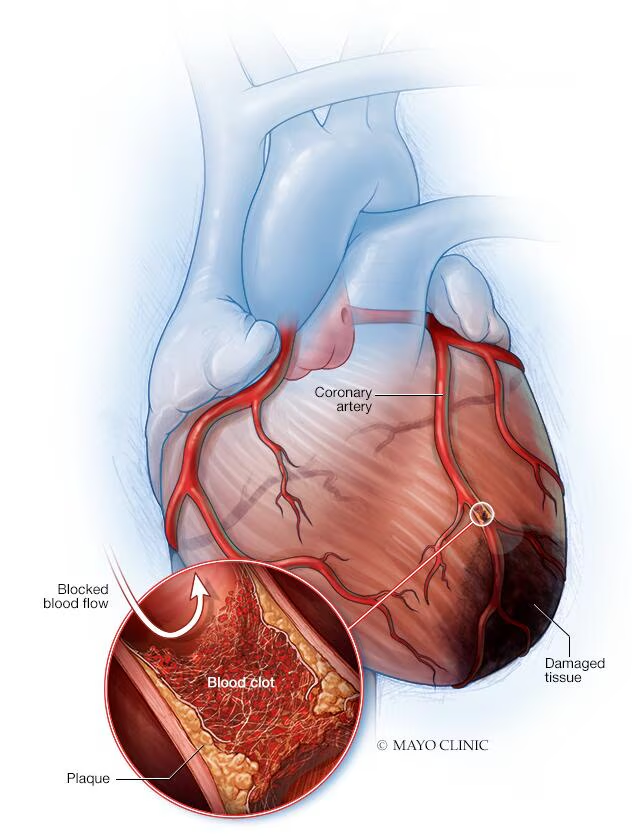
A heart attack occurs when the flow of blood to the heart is severely reduced or blocked. The blockage is usually due to a buildup of fat, cholesterol and other substances in the heart (coronary) arteries. The fatty, cholesterol-containing deposits are called plaques. The process of plaque buildup is called atherosclerosis.
What is cause of myocardial Infarction?
A heart attack (myocardial infarction) is a medical emergency where your heart muscle begins to die because it isn’t getting enough blood flow. A blockage in the arteries that supply blood to your heart usually causes this, A heart attack, medically known as a myocardial infarction, occurs when the flow of oxygen-rich blood to a section of the heart muscle becomes blocked.
What is symptoms of Myocardial Infarction?
- Chest pain that may feel like pressure, tightness, pain, squeezing or aching
- Pain or discomfort that spreads to the shoulder, arm, back, neck, jaw, teeth or sometimes the upper belly
- Cold sweat
- Fatigue
- Heartburn or indigestion
- Lightheadedness or sudden dizziness
- Nausea
- Shortness of breath
- Pain or discomfort in the jaw, neck, or back.
- Pain or discomfort in one or both arms or shoulders.
What is Cause of Myocardial Infarction?
A heart attack may be caused by a complete or partial blockage of a heart (coronary) artery. One way to classify heart attacks is whether an electrocardiogram (ECG or EKG) shows some specific changes (ST elevation) that require emergency invasive treatment.
Other causes include:
Coronary artery spasm
Certain infections
COVID-19 and other viral infections may cause damage to the heart muscle.
What is a risk factors of Myocardial infarction?
The most prominent risk factors for myocardial infarction are older age, actively smoking, high blood pressure, diabetes mellitus, and total cholesterol and high-density lipoprotein levels.
Age. Men age 45 and older and women age 55 and older are more likely to have a heart attack than are younger men and women.
Tobacco use. This includes smoking and long-term exposure to secondhand smoke. If you smoke, quit.
High blood pressure. Over time, high blood pressure can damage arteries that lead to the heart. High blood pressure that occurs with other conditions, such as obesity, high cholesterol or diabetes, increases the risk even more.
High cholesterol or triglycerides. A high level of low-density lipoprotein (LDL) cholesterol (the “bad” cholesterol) is most likely to narrow arteries. A high level of certain blood fats called triglycerides also increases heart attack risk. Your heart attack risk may drop if levels of high-density lipoprotein (HDL) cholesterol — the “good” cholesterol — are in the standard range.
Obesity. Obesity is linked with high blood pressure, diabetes, high levels of triglycerides and bad cholesterol, and low levels of good cholesterol.
Diabetes. Blood sugar rises when the body doesn’t make a hormone called insulin or can’t use it correctly. High blood sugar increases the risk of a heart attack.
Metabolic syndrome:- This is a combination of at least three of the following things: enlarged waist (central obesity), high blood pressure, low good cholesterol, high triglycerides and high blood sugar. Having metabolic syndrome makes you twice as likely to develop heart disease than if you don’t have it.
Family history of heart attacks. If a brother, sister, parent or grandparent had an early heart attack (by age 55 for males and by age 65 for females), you might be at increased risk.
Not enough exercise
Unhealthy diet
Stress. Emotional stress, such as extreme anger, may increase the risk of a heart attack.
Illegal drug use
A history of preeclampsia
An autoimmune condition
What is a Complications of Myocardial Infraction?
Heart attack complications are often due to heart muscle damage. Potential complications of a heart attack include:
Irregular or atypical heart rhythms (arrhythmias). Heart attack damage can affect how electrical signals move through the heart, causing heartbeat changes. Some may be serious and can be deadly.
Cardiogenic shock
Heart failure
Inflammation of the saclike tissue surrounding the heart (pericarditis). Sometimes a heart attack triggers a faulty immune system response. This condition may be called Dressler syndrome, postmyocardial infarction syndrome or postcardiac injury syndrome.
Cardiac arrest
What is Prevention of Myocardial Infraction?
It’s never too late to take steps to prevent a heart attack — even if you’ve already had one. Here are ways to prevent a heart attack.
Follow a healthy lifestyle. Don’t smoke. Maintain a healthy weight with a heart-healthy diet. Do regular exercise and manage stress.
Consider taking an accredited first-aid training course, including CPR and how to use an automated external defibrillator (AED).
What is a Diagnosis of Myocardial Infraction?
A heart attack should be diagnosed and treated quickly. Initial diagnosis is usually based on:
Electrocardiogram (ECG or EKG) is a simple non-invasive test that charts the heart’s electrical impulses and reveals signs of a past or recent heart attack. This test uses small adhesive pads called electrodes that are placed on the arms, legs, and chest.
Blood tests can detect if high levels of proteins (biochemical including CK, CK-MF and troponin) exist in the bloodstream. This would suggest a heart attack. if emergency or preventive treatments must be planned. These tests may include:
Coronary angiography (also called a cardiac catheterization) is a minimally invasive procedure that uses a catheter (a long, thin flexible tube) inserted into a blood vessel in the leg, arm, or neck to take pictures of the coronary artery opening.
What is a Treatment of Myocardial Infraction?
Treatment will likely include several of the following methods.
Supplementary oxygen
Medications
These may include:
Anti-clotting medications:- it includes aspirin and other blood-thinning medicines.
Nitroglycerin:- This medicine relieves chest pain and causes blood vessels to widen so blood can pass through more easily.
Thrombolytic (clot-busting) medications:- Providers use these only within the first 12 hours after a heart attack.
Pain medications:-The most common pain medication people receive during heart attack care is morphine. This can help alleviate chest pain.
Beta-blockers:- These medications help slow down your heart rate so your heart can recover from the injury of a heart attack.
Antihypertensives:- These medications decrease your blood pressure and can help your heart recover from the injury of a heart attack.
Statins:-These medications help stabilize the plaque in your heart’s blood vessels so they’re less likely to rupture. They also help reduce cholesterol and the chances of having another heart attack.
Percutaneous coronary intervention
Providers restore circulation to your affected heart muscle with a procedure called percutaneous coronary intervention (PCI) or angioplasty.
Coronary artery bypass grafting